House Renovation Cost in Toronto: The Complete 2026 Overview
April 3, 2026
House Renovation Cost in Toronto: The 2026 Overview
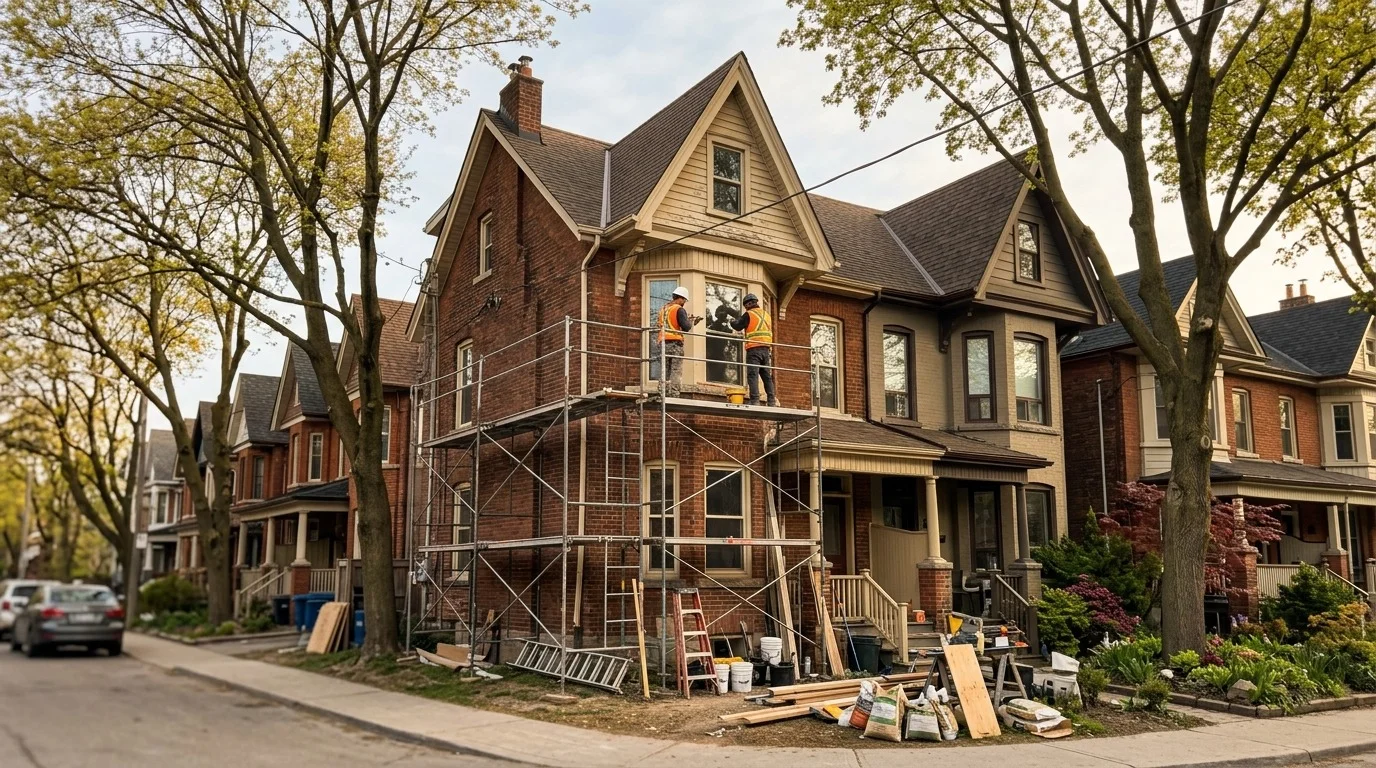
If you’re trying to figure out the house renovation cost in Toronto, you’ve probably seen numbers all over the map. It’s confusing — I get it. I’m Rob Castillo, and I’ve been running renovation projects across the GTA for over 20 years as a Red Seal certified carpenter (that’s Canada’s national standard for skilled tradespeople). I work with the Design & Build approach — which means I’m involved from the design phase right through to completion. The honest truth is, most of what you’ll read online is either too generic or just plain wrong for our market.
So let’s cut to the chase. In 2026, you’re looking at $100 to over $300 per square foot for a home renovation cost in Toronto. But that range is almost useless without context. The biggest mistake I see is homeowners getting fixated on a per-square-foot price without understanding what’s behind it. The real cost of a Toronto renovation isn’t in the materials — it’s in the decisions you make before a single wall comes down.
Cost per Square Foot
Here’s a ballpark I give my clients to get started. Don’t take these numbers as gospel, but they’re a solid starting point for a typical 2,000 sq ft home.
| Scope | Cost per sqft (CAD) | Total (2,000 sqft) | Timeline |
|---|---|---|---|
| Cosmetic Refresh | $100–$150 | $200,000–$300,000 | 2–4 months |
| Mid-range Renovation | $150–$200 | $300,000–$400,000 | 4–8 months |
| Full Gut Renovation | $200–$300+ | $400,000–$600,000+ | 6–12 months |
These ranges reflect what I’m seeing across my GTA projects in early 2026. Your actual quote will depend on your home’s specific conditions, your neighbourhood, material availability, and who’s available when you’re ready to start.
Now, let me break it down. A “cosmetic refresh” is new paint, new floors, maybe some new light fixtures and kitchen countertops. You’re not moving walls. A “mid-range” reno means you’re likely redoing a kitchen and a bathroom or two, but you’re leaving the main layout alone. When I talk about a full house renovation cost — the “full gut” — we’re talking about taking the house back to the studs. New plumbing, electrical, insulation, drywall, the works. That’s where the whole house renovation cost per square foot really starts to climb.
What Drives the Price Up
I’ve seen it a hundred times. A client comes to me with a budget that would’ve worked for their friend’s new-build in the suburbs, but they’ve got a 100-year-old Victorian in The Annex. It’s a completely different ballgame.
Three things will move your price tag more than anything else: the scope of work, the age of your home, and your neighbourhood. And they’re all connected — you can’t look at one without the others.
I had a client in Roncesvalles last year with a beautiful old semi. They wanted to take down one wall between the kitchen and dining room. Simple, right? Wrong. Once we opened it up, we found a tangle of old plumbing and knob-and-tube wiring — that’s pre-1950 electrical that isn’t up to today’s code and can’t be insulated over — hiding behind the drywall. That “simple” wall removal turned into a major electrical and plumbing job. That’s the reality of renovating older homes in Toronto.
Your neighbourhood matters, too. Renovating a 1970s-era home in Scarborough is usually more straightforward than a century home in High Park. Access can be an issue in dense areas, parking for the trades is a headache, and the city’s permit process can get complicated fast. It all adds up.
Room-by-Room Cost Comparison
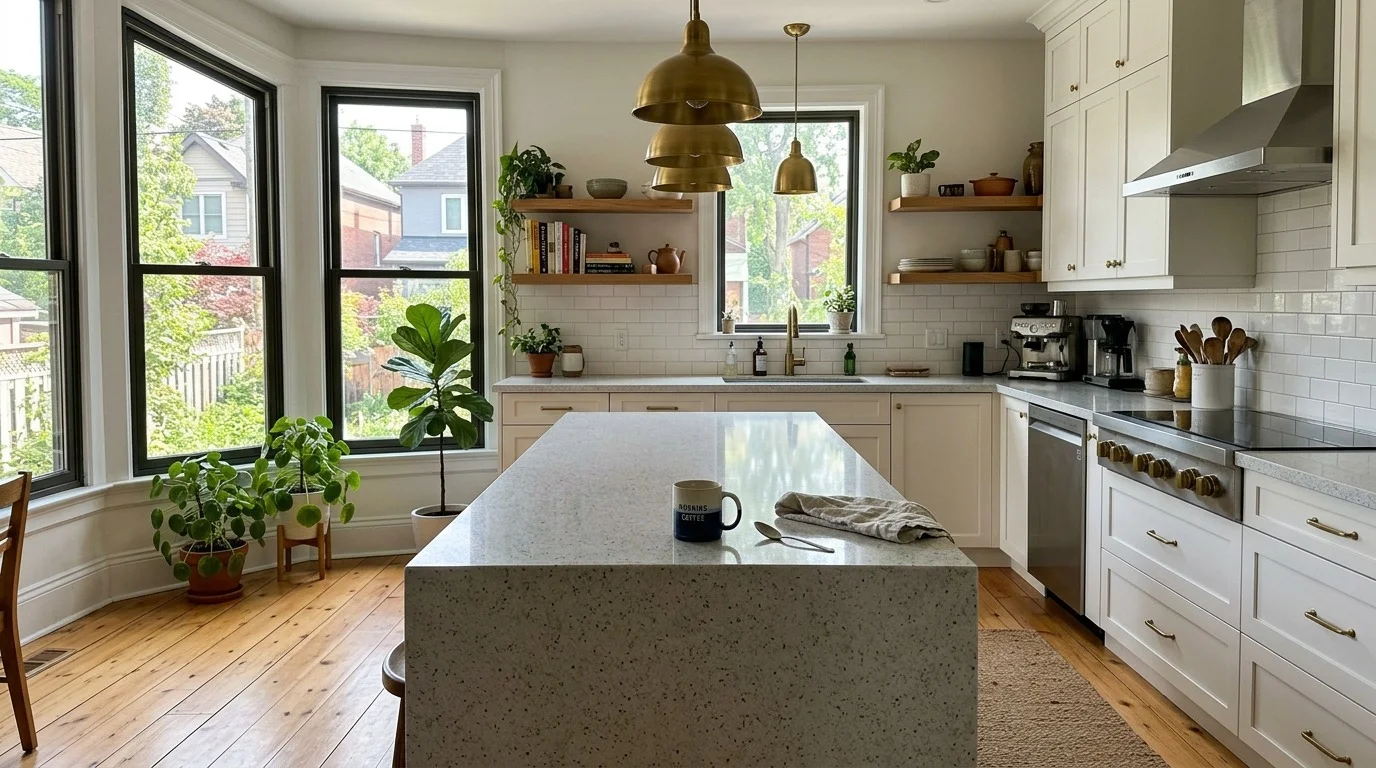
Now that you’ve got the big picture on house renovation cost in Toronto, let’s zoom in. If you’re not doing a full gut job, it’s more helpful to think about costs room by room. Here’s what I’d tell a homeowner to budget for the big three.
| Room | Typical Cost Range (CAD) | Timeline | Detailed Guide |
|---|---|---|---|
| Kitchen | $15,000–$80,000+ | 6–8 weeks | Full kitchen cost breakdown |
| Bathroom | $8,500–$70,000+ | 2–6 weeks | Full bathroom cost breakdown |
| Basement | $35,000–$150,000+ | 8–14 weeks | Full basement cost breakdown |
The kitchen’s always the most expensive room per square foot, and it’s easy to see why. You’ve got cabinets, countertops, appliances, plumbing, and electrical all packed into one space. I’ve written a full breakdown of what drives those costs — check out the kitchen guide if that’s your priority.
My clients often ask me where they’ll get the best bang for their buck, and I always say the basement. You’re adding a huge amount of livable space for a fraction of the cost of an addition. It’s a smart play.
The Pre-1960 Home Factor
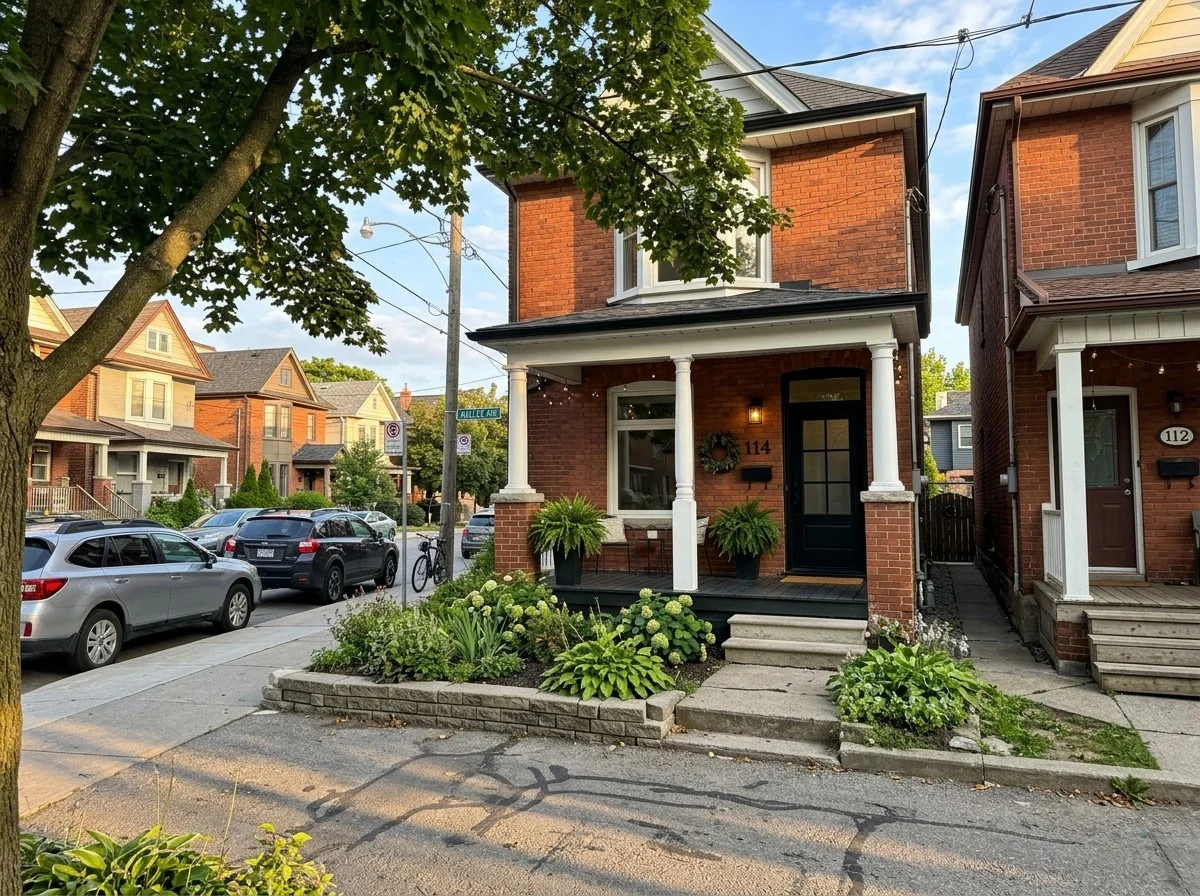
Toronto’s housing stock is old. If you live in Riverdale, Leslieville, Leaside, or The Annex, chances are your home’s got some quirks hidden behind the walls. This isn’t a deal-breaker, but you’ve absolutely got to budget for it. Don’t think you’re the exception — you’re not. If your home was built before 1960, I’d strongly recommend getting a structural walkthrough from a licensed engineer before you draw a single plan. Load-bearing walls in Victorian and Edwardian homes aren’t always where you’d expect, and finding out mid-project costs way more than the walkthrough ever would. This is probably the single biggest factor in the house renovation cost Toronto homeowners don’t expect.
| Issue | Additional Cost (CAD) |
|---|---|
| Knob-and-tube rewiring | $8,000–$15,000 |
| Lead paint abatement | $3,000–$10,000 |
| Asbestos removal | $5,000–$20,000 |
| Foundation repair or underpinning | $10,000–$50,000 |
| Galvanized plumbing replacement | $8,000–$20,000 |
| Total Premium | +15–30% over modern home |
In my experience across dozens of pre-1960 GTA jobs, I consistently see that 15–30% overrun. Electrical surprises account for about 40% of those unexpected costs, structural issues for about 30%, and material lead times for the rest.
Common Surprises in Older Toronto Homes
I once had a client in East York who was dead set on a specific budget for their second-storey reno. They were convinced their wiring was fine. We opened up one wall and found live knob-and-tube. The Electrical Safety Authority (ESA) won’t let you touch anything until it’s all removed and brought to code. Their budget for that part of the project basically doubled overnight. Trust me on this one — if you’ve got an old house, you need a healthy contingency fund. It’s not a “nice to have,” it’s a “must have.”
Permits, Inspections, and Project Management
Let’s get one thing straight: pulling permits isn’t optional. Any contractor who tells you otherwise is a major red flag, and you should run. For any structural work, you’ll need a building permit from the City of Toronto. For electrical work, you need an ESA inspection. The HCRA (Home Construction Regulatory Authority) oversees licensed contractors — make sure yours is registered with them. And if you’re financing your renovation, it’s worth looking into what CMHC (Canada Mortgage and Housing Corporation) offers for renovation loans.
Permits can cost anywhere from $500 to $5,000 depending on the scope. I know it’s a hassle, but it’ll protect you and ensures the work’s done safely and to code. I’ve seen homeowners skip permits to save a few hundred bucks, and it’ll always come back to bite them at resale. Don’t be that person.
How to Budget a Full House Renovation
The Contingency Rule (15–20%)
In my 20 years of doing this, I’ve never — not once — seen a full gut come in perfectly on-budget without a contingency fund. It just doesn’t happen. You need to set aside 15–20% of your total budget for the unexpected. That’s your buffer for when we find asbestos behind the bathroom tile, or a pipe bursts, or your favourite countertop is suddenly on backorder for six months. If you don’t have this buffer, your project will grind to a halt.
Phased Renovations vs. All-at-Once
Sometimes a full gut job isn’t practical. If your budget’s tight or you need to live in the house during the renovation, phasing the project makes sense. You could do the basement one year, the kitchen the next. The downside? It often costs more in the long run because you’re paying for the trades to come back multiple times.
If you can swing it, it’s almost always more efficient to do everything at once. You’ll have to move out for a while, but you’ll get the job done faster and usually for less money overall. I’ve walked plenty of my clients through this decision — there’s no one-size-fits-all answer, but I can tell you that most of my full-gut clients don’t regret going all-in.
Rob’s Rule
“Start with the bones. If the foundation, plumbing, and wiring are solid, everything else is cosmetic. I’ve seen homeowners pour $50,000 into a kitchen while their basement leaked like a sieve. Fix the structure first — always.”
FAQ — House Renovation in Toronto
How much does it cost to renovate a house in Toronto?
You’re looking at $100–$300 per square foot, depending on the scope. For a 2,000 sq ft house, a full gut job runs about $400,000–$600,000+ in 2026. The cost to renovate a house in Toronto always depends on the age of the home, the scope of work, and where you are in the city.
How much does a full gut renovation cost in Toronto?
Plan for at least $200,000–$600,000 for a standard 2,000 sq ft home. If your house was built before 1960, I’d tell you to add another 15–30% on top of that for the inevitable surprises you’ll find behind the walls.
Do older Toronto homes cost more to renovate?
Yes, absolutely. I tell all my clients to budget 15–30% more for pre-1960 homes. This covers common issues like knob-and-tube wiring, asbestos, lead paint, and old galvanized plumbing that needs replacing. It’s just part of the deal when you’re working with Toronto’s older housing stock — and it shouldn’t scare you off. It just means you can’t skip the inspection.
What order should you renovate a house?
You start with the structural stuff first — foundation, roof, and windows. Then you do the rough-ins for plumbing, electrical, and HVAC. After that, you can move on to rooms like the kitchen and bathrooms. You finish with paint, flooring, and the final punch list. I can’t stress this enough — don’t skip ahead. I’ve seen people blow their budget on finishes before their rough-ins were even done.
How long does a full house renovation take?
It really depends on the scope. A cosmetic refresh shouldn’t take more than 2–4 months. A full house renovation? You should plan for 6–12 months at a minimum, and it can easily go longer. In my experience, the biggest delays aren’t from the actual work — they’re from permit approvals and material lead times. That’s why I always tell my clients to order early.
Is it cheaper to renovate or build new in Toronto?
It’s almost always cheaper to renovate what you’ve got. The only time I’d suggest a teardown is if the structural problems are so bad that fixing them would cost more than 50% of the home’s value. That’s rare, but I’ve seen it happen. For most Toronto homeowners, renovation’s the smarter call — and it’s usually not even close.
If you’re planning a renovation in Toronto and you want straight answers from a team that knows this city inside and out, check out our renovation services.
Got Questions About Your Project?
I'm always happy to chat about renovation plans. No obligation, no sales pitch.
Get in Touch